What Factors Affect the Duration of Water Damage Restoration?
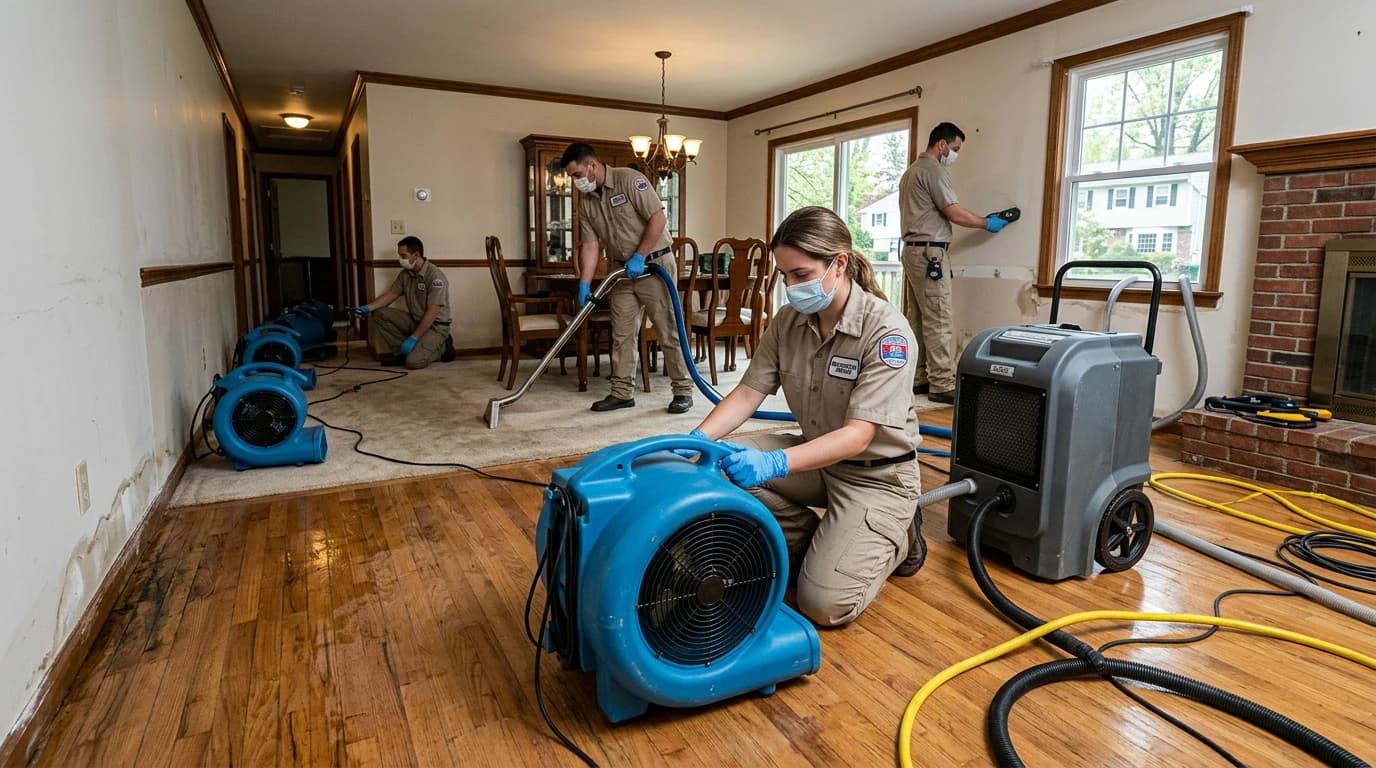
Several factors influence the time required for water damage restoration. The extent of the damage is a primary factor; minor issues might be resolved in a few days, while extensive damage could take weeks. The type of water involved also matters—clean water is quicker to address than black water, which requires extensive decontamination. Additionally, the size of the affected area and the availability of restoration professionals can impact timelines. If your home in Allendale has multiple rooms affected, the cleanup will naturally take longer than if only a small area is involved.
Another key factor is the response time. The quicker a professional restoration team is contacted, the faster mitigation efforts can begin, reducing the overall restoration time. Weather conditions also play a role; high humidity can slow down the drying process, requiring additional equipment or time. Furthermore, the construction materials affected can change the timeline—porous materials like drywall and wood may take longer to dry and may require more extensive repairs. In Allendale, scheduling an immediate assessment with a reputable restoration company can help streamline the process by ensuring that the right equipment and personnel are deployed promptly, minimizing delays and further damage.
Another key factor is the response time. The quicker a professional restoration team is contacted, the faster mitigation efforts can begin, reducing the overall restoration time. Weather conditions also play a role; high humidity can slow down the drying process, requiring additional equipment or time. Furthermore, the construction materials affected can change the timeline—porous materials like drywall and wood may take longer to dry and may require more extensive repairs. In Allendale, scheduling an immediate assessment with a reputable restoration company can help streamline the process by ensuring that the right equipment and personnel are deployed promptly, minimizing delays and further damage.
What Are the Key Phases of Water Damage Restoration?
The water damage restoration process typically involves several phases: initial assessment, water removal, drying and dehumidification, cleaning and sanitizing, and finally, restoration. Each phase is crucial and time-consuming, with drying often being the longest due to the need for thorough moisture removal to prevent mold.
Initial Assessment: This phase involves a detailed inspection of the affected areas to determine the extent of the damage and the type of water involved. This step is essential for creating an effective restoration plan. The assessment might take a few hours to a full day, depending on the size of the property and the severity of the damage.
Water Removal: Using industrial pumps and vacuums, professionals remove standing water from the property. This phase is typically completed within a day but can extend longer if there is a significant volume of water.
Drying and Dehumidification: This is often the most time-intensive phase. High-powered fans and dehumidifiers are used to remove residual moisture from the air and affected materials. This process can take several days to weeks, depending on the humidity levels and the materials involved.
Cleaning and Sanitizing: Once the area is dry, cleaning and sanitizing are essential to remove contaminants and prevent mold growth. This phase includes treating affected areas with antimicrobial applications and cleaning personal belongings.
Restoration: The final phase involves repairing or replacing damaged structures and materials. This could range from minor repairs like drywall replacement to major reconstruction efforts. The time required here varies based on the extent of the damage and the availability of materials.
Understanding this process helps homeowners set realistic expectations and plan for temporary relocation if necessary. For more details on these services, check our service offerings.
Initial Assessment: This phase involves a detailed inspection of the affected areas to determine the extent of the damage and the type of water involved. This step is essential for creating an effective restoration plan. The assessment might take a few hours to a full day, depending on the size of the property and the severity of the damage.
Water Removal: Using industrial pumps and vacuums, professionals remove standing water from the property. This phase is typically completed within a day but can extend longer if there is a significant volume of water.
Drying and Dehumidification: This is often the most time-intensive phase. High-powered fans and dehumidifiers are used to remove residual moisture from the air and affected materials. This process can take several days to weeks, depending on the humidity levels and the materials involved.
Cleaning and Sanitizing: Once the area is dry, cleaning and sanitizing are essential to remove contaminants and prevent mold growth. This phase includes treating affected areas with antimicrobial applications and cleaning personal belongings.
Restoration: The final phase involves repairing or replacing damaged structures and materials. This could range from minor repairs like drywall replacement to major reconstruction efforts. The time required here varies based on the extent of the damage and the availability of materials.
Understanding this process helps homeowners set realistic expectations and plan for temporary relocation if necessary. For more details on these services, check our service offerings.
How Can Homeowners Expedite the Restoration Process?
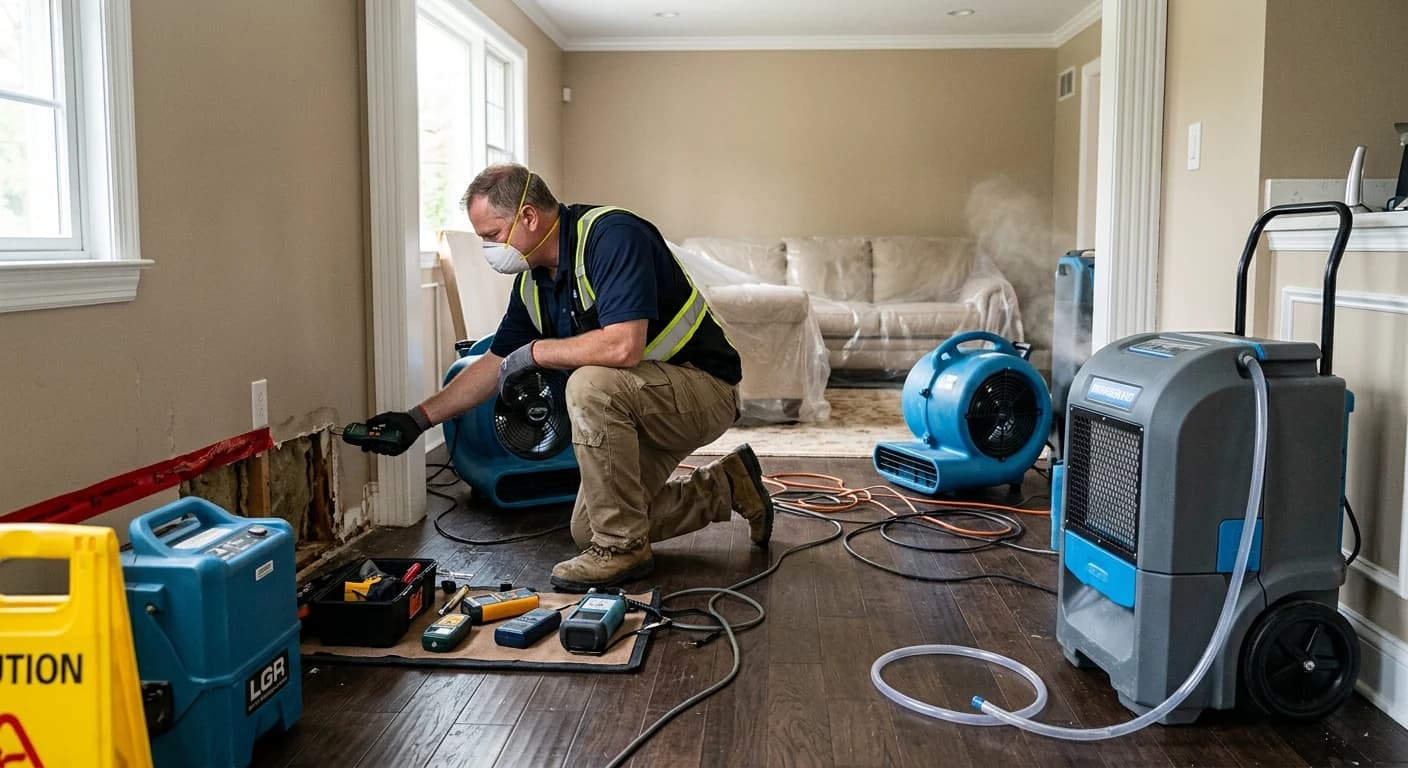
Homeowners can take several proactive steps to expedite the restoration process. Start by removing furniture and valuables from the affected area to minimize damage. Ventilate the space by opening windows and using fans to assist with air circulation. Document the damage for insurance purposes to streamline claims, and promptly contact a professional restoration company.
In NJ, timely action can prevent further deterioration and help restore your home more efficiently. Here are some additional tips to speed up the restoration:
1. Immediate Response: As soon as you notice water damage, act quickly. The faster you respond, the less damage will occur, and the restoration process can begin sooner.
2. Use Technology: Consider using moisture sensors and thermal imaging to identify hidden moisture pockets. These tools can help professionals target specific areas that need more intensive drying.
3. Insurance Claims: Contact your insurance company immediately to report the damage. They can provide guidance on documentation and the claims process, which can help secure necessary funds for repairs more quickly.
4. Professional Assessment: Even if you plan to handle some cleanup yourself, a professional assessment can identify potential issues you might overlook. This can prevent complications later, such as mold growth or structural issues.
By following these steps, homeowners can help ensure a smoother, faster restoration process, minimizing the impact on their daily lives and reducing the risk of long-term damage.
In NJ, timely action can prevent further deterioration and help restore your home more efficiently. Here are some additional tips to speed up the restoration:
1. Immediate Response: As soon as you notice water damage, act quickly. The faster you respond, the less damage will occur, and the restoration process can begin sooner.
2. Use Technology: Consider using moisture sensors and thermal imaging to identify hidden moisture pockets. These tools can help professionals target specific areas that need more intensive drying.
3. Insurance Claims: Contact your insurance company immediately to report the damage. They can provide guidance on documentation and the claims process, which can help secure necessary funds for repairs more quickly.
4. Professional Assessment: Even if you plan to handle some cleanup yourself, a professional assessment can identify potential issues you might overlook. This can prevent complications later, such as mold growth or structural issues.
By following these steps, homeowners can help ensure a smoother, faster restoration process, minimizing the impact on their daily lives and reducing the risk of long-term damage.
How to Choose the Right Water Damage Restoration Company
Selecting the right restoration company is crucial for efficient and effective water damage recovery. Start by researching local companies with a proven track record in water damage restoration. Look for certifications from reputable organizations such as the Institute of Inspection, Cleaning and Restoration Certification (IICRC). These certifications ensure that the company adheres to industry standards and employs trained professionals.
Check online reviews and ask for recommendations from friends or neighbors who have faced similar issues. It's also wise to request references from the company itself to gauge past customer satisfaction. Ensure the company provides a detailed estimate and timeline before beginning work, and verify their insurance and bonding status. This protects you from liabilities should any accidents occur during the restoration process.
Inquire about the equipment and techniques they use. Advanced technology like infrared cameras and moisture meters can expedite the restoration process by pinpointing hidden moisture. Also, ensure the company offers a comprehensive range of services, from initial assessment to final restoration, to avoid the need for multiple contractors. Finally, consider their availability for emergency services, as water damage often requires immediate attention. By carefully selecting a qualified restoration company, homeowners can have peace of mind knowing their property is in capable hands.
Check online reviews and ask for recommendations from friends or neighbors who have faced similar issues. It's also wise to request references from the company itself to gauge past customer satisfaction. Ensure the company provides a detailed estimate and timeline before beginning work, and verify their insurance and bonding status. This protects you from liabilities should any accidents occur during the restoration process.
Inquire about the equipment and techniques they use. Advanced technology like infrared cameras and moisture meters can expedite the restoration process by pinpointing hidden moisture. Also, ensure the company offers a comprehensive range of services, from initial assessment to final restoration, to avoid the need for multiple contractors. Finally, consider their availability for emergency services, as water damage often requires immediate attention. By carefully selecting a qualified restoration company, homeowners can have peace of mind knowing their property is in capable hands.
Preventing Future Water Damage
Preventive measures can significantly reduce the risk of future water damage in your home. Regular maintenance of plumbing systems is a critical step. Inspect pipes, faucets, and hoses for leaks or signs of wear, and replace them as necessary. Consider installing water leak detectors that alert you to leaks before they cause significant damage.
Ensure that your home's drainage system, including gutters and downspouts, is functioning correctly. Clean them regularly to prevent blockages that could lead to water overflow and seepage into your home. Additionally, landscape your yard to direct water away from your foundation. This can help prevent basement flooding, a common issue in areas with heavy rainfall.
Consider waterproofing your basement and sealing any cracks in the foundation or walls. This is particularly important in regions prone to flooding. If your home is in a flood-prone area, elevate electrical appliances and consider installing a sump pump to remove excess water. Regularly check your roof for missing or damaged shingles, as these can lead to leaks during storms.
By implementing these preventive measures, homeowners can protect their properties from future water damage, saving time and money on potential restoration efforts. Regular maintenance and vigilance are key to ensuring a safe and dry home environment.
Ensure that your home's drainage system, including gutters and downspouts, is functioning correctly. Clean them regularly to prevent blockages that could lead to water overflow and seepage into your home. Additionally, landscape your yard to direct water away from your foundation. This can help prevent basement flooding, a common issue in areas with heavy rainfall.
Consider waterproofing your basement and sealing any cracks in the foundation or walls. This is particularly important in regions prone to flooding. If your home is in a flood-prone area, elevate electrical appliances and consider installing a sump pump to remove excess water. Regularly check your roof for missing or damaged shingles, as these can lead to leaks during storms.
By implementing these preventive measures, homeowners can protect their properties from future water damage, saving time and money on potential restoration efforts. Regular maintenance and vigilance are key to ensuring a safe and dry home environment.
Understanding Insurance Coverage for Water Damage
Navigating insurance coverage for water damage can be a complex process, but understanding your policy is crucial to ensuring you receive the necessary support for restoration. Start by reviewing your homeowner's insurance policy to identify what types of water damage are covered. Most standard policies cover sudden and accidental water damage, such as from burst pipes or overflow from appliances. However, they typically do not cover damage resulting from gradual leaks or flooding from natural disasters unless you have specific flood insurance.
To expedite claims, document the damage thoroughly with photos and detailed notes. This documentation provides evidence to support your claim and helps the insurance adjuster assess the situation accurately. Promptly notify your insurance company about the water damage incident to initiate the claims process. They may require an adjuster to inspect the damage before approving any repairs, so coordinating this quickly can prevent delays.
Consider working with a public adjuster or a restoration company experienced in dealing with insurance claims. These professionals can help interpret policy language, negotiate with the insurance company on your behalf, and ensure you receive a fair settlement. In NJ, where water damage from storms can be common, having a clear understanding of your coverage and the claims process can significantly ease the stress of dealing with water damage restoration.
To expedite claims, document the damage thoroughly with photos and detailed notes. This documentation provides evidence to support your claim and helps the insurance adjuster assess the situation accurately. Promptly notify your insurance company about the water damage incident to initiate the claims process. They may require an adjuster to inspect the damage before approving any repairs, so coordinating this quickly can prevent delays.
Consider working with a public adjuster or a restoration company experienced in dealing with insurance claims. These professionals can help interpret policy language, negotiate with the insurance company on your behalf, and ensure you receive a fair settlement. In NJ, where water damage from storms can be common, having a clear understanding of your coverage and the claims process can significantly ease the stress of dealing with water damage restoration.
The Role of Technology in Water Damage Restoration
Modern technology plays a critical role in streamlining the water damage restoration process, making it more efficient and effective. One of the most significant advancements is the use of moisture detection tools. Devices like moisture meters and thermal imaging cameras allow restoration professionals to accurately identify hidden moisture pockets behind walls or under floors. This precision prevents future mold growth and structural damage by ensuring all affected areas are thoroughly dried.
High-efficiency dehumidifiers and air movers are another technological advancement that speeds up the drying process. These machines are designed to operate continuously, extracting moisture from the environment and circulating dry air to expedite evaporation. This technology is particularly beneficial in humid climates or during rainy seasons, where natural drying is slower.
Water extraction techniques have also evolved, with powerful pumps and vacuums capable of removing large volumes of water quickly. This rapid removal minimizes further damage and reduces the overall restoration timeline. Additionally, antimicrobial treatments and air scrubbers help in purifying the air and surfaces, ensuring the space is safe and free from harmful contaminants.
By leveraging these technological innovations, restoration companies can provide faster and more comprehensive services. This not only reduces the disruption to homeowners' lives but also ensures a more thorough restoration, safeguarding the property against future issues. Embracing these technologies can be particularly advantageous for residents in areas like Allendale, where timely and effective restoration is essential.
High-efficiency dehumidifiers and air movers are another technological advancement that speeds up the drying process. These machines are designed to operate continuously, extracting moisture from the environment and circulating dry air to expedite evaporation. This technology is particularly beneficial in humid climates or during rainy seasons, where natural drying is slower.
Water extraction techniques have also evolved, with powerful pumps and vacuums capable of removing large volumes of water quickly. This rapid removal minimizes further damage and reduces the overall restoration timeline. Additionally, antimicrobial treatments and air scrubbers help in purifying the air and surfaces, ensuring the space is safe and free from harmful contaminants.
By leveraging these technological innovations, restoration companies can provide faster and more comprehensive services. This not only reduces the disruption to homeowners' lives but also ensures a more thorough restoration, safeguarding the property against future issues. Embracing these technologies can be particularly advantageous for residents in areas like Allendale, where timely and effective restoration is essential.