What Are Common Early Signs of Water Damage?
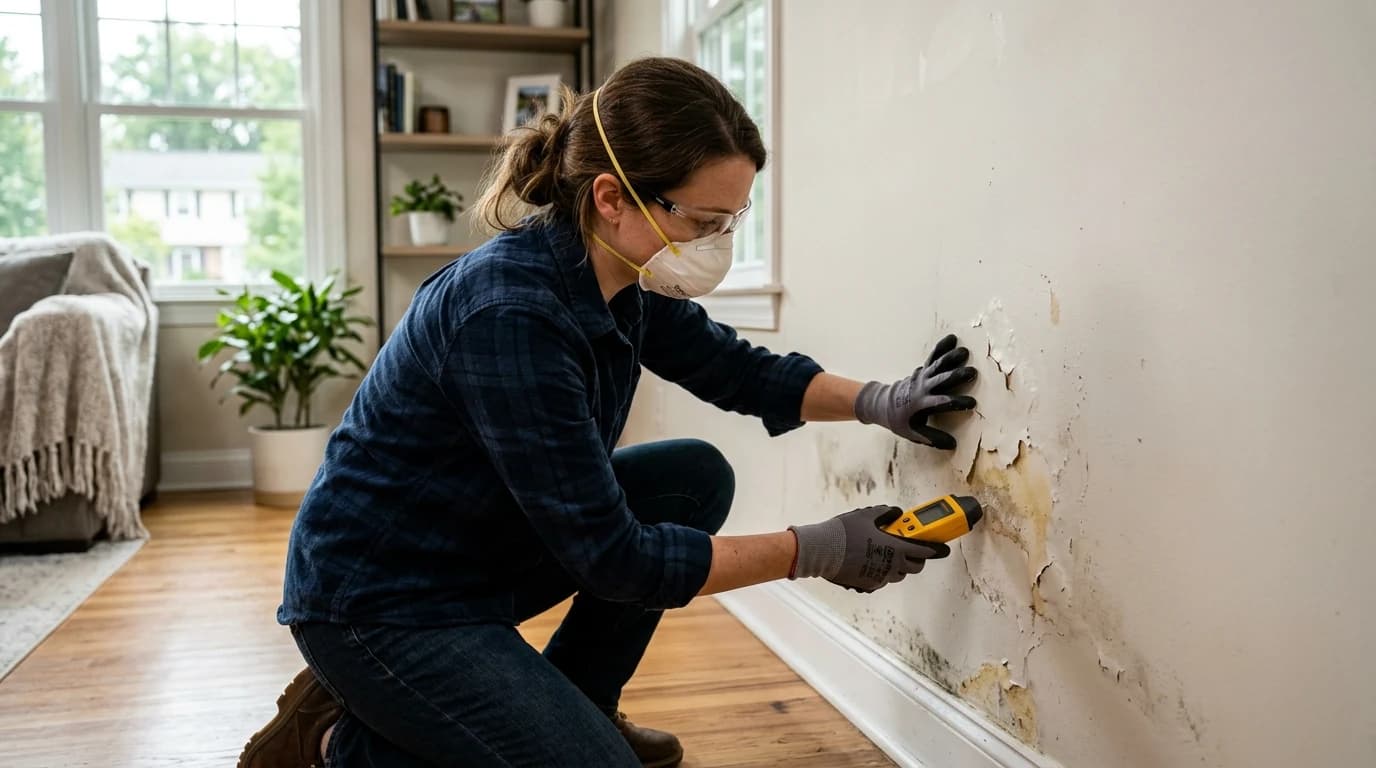
Early signs of water damage can be subtle but can save you from extensive repairs if detected early. Look for discoloration on walls and ceilings, which often appear as yellow or brownish stains. These stains are usually caused by water seeping through the structure and can indicate a leak from the roof or plumbing. Peeling paint or wallpaper is another telltale sign, often resulting from moisture trapped beneath surfaces. This can lead to bubbling or blistering of paint and cause wallpaper to lose its adhesion.
Additionally, inspect your floors for warping, buckling, or a spongy texture. These issues often indicate prolonged exposure to moisture, which can weaken the structural integrity of the flooring. In wooden floors, you might notice the planks lifting at the edges or creating gaps. Carpeted areas may develop mold or mildew if moisture is present for extended periods.
If you notice a musty smell, it could signal mold growth, which thrives in damp environments. Mold can be hazardous to health, causing respiratory issues and allergic reactions. It often appears in dark, humid areas like bathrooms or under sinks. Regularly checking these areas can help you catch problems early and mitigate damage. Don't forget to inspect less obvious spots such as under sinks, behind toilets, and around windows where condensation might accumulate.
Additionally, inspect your floors for warping, buckling, or a spongy texture. These issues often indicate prolonged exposure to moisture, which can weaken the structural integrity of the flooring. In wooden floors, you might notice the planks lifting at the edges or creating gaps. Carpeted areas may develop mold or mildew if moisture is present for extended periods.
If you notice a musty smell, it could signal mold growth, which thrives in damp environments. Mold can be hazardous to health, causing respiratory issues and allergic reactions. It often appears in dark, humid areas like bathrooms or under sinks. Regularly checking these areas can help you catch problems early and mitigate damage. Don't forget to inspect less obvious spots such as under sinks, behind toilets, and around windows where condensation might accumulate.
Why Should You Check Hidden Areas for Water Damage?
Hidden areas like basements, attics, and crawlspaces are particularly vulnerable to water damage. These areas are less frequented, making it easy for water issues to go unnoticed. Basements often suffer from water seepage due to poor drainage or high groundwater levels, which can lead to foundation issues if not addressed promptly.
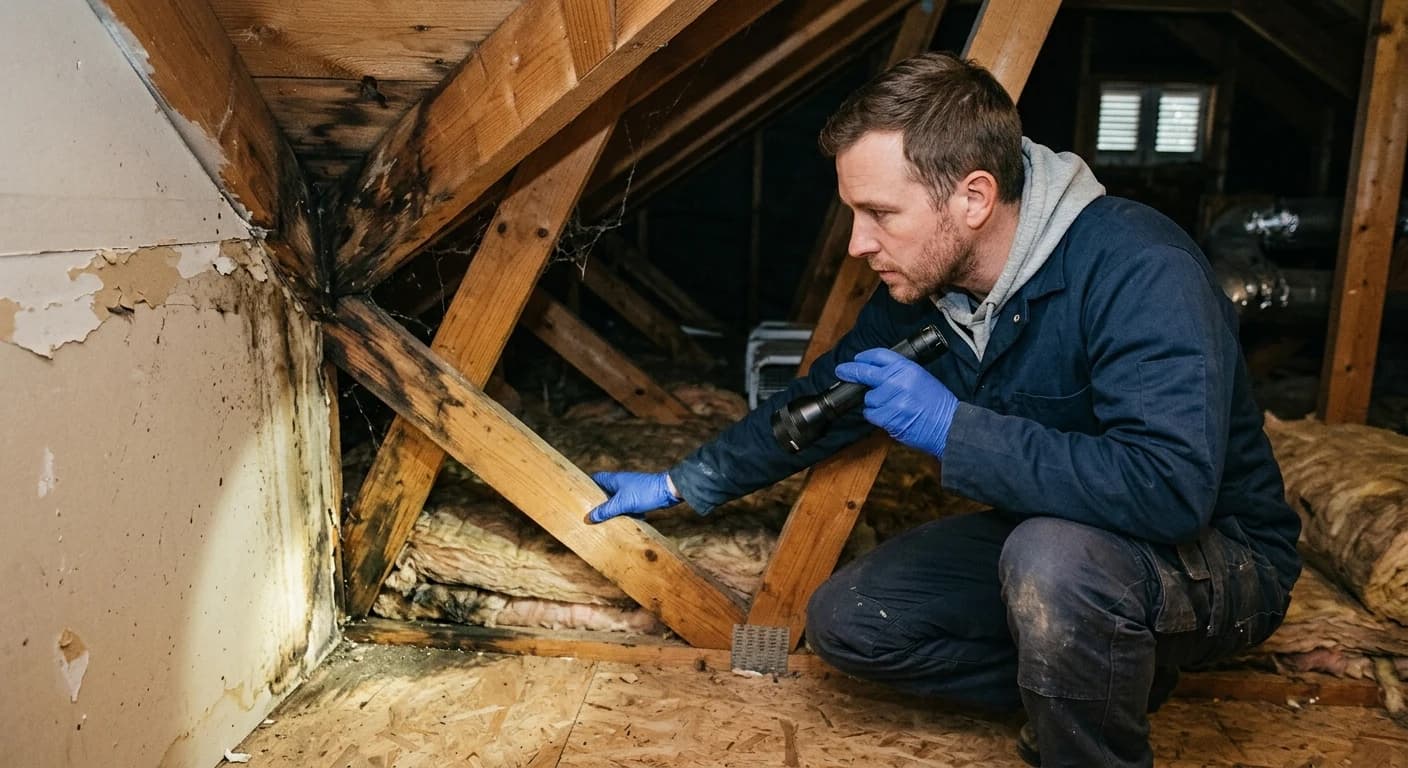
In attics, improper ventilation or roof leaks can cause moisture buildup, leading to mold growth and wood rot. Inspect the attic for wet insulation, discolored wood, or rusted nails, which can all indicate water damage. Crawlspaces can also harbor moisture due to inadequate barriers against ground moisture, which can contribute to mold and pest infestations.
Conduct regular inspections in these spaces, look for signs like water pooling, mold growth, and wood rot. Use a flashlight to thoroughly inspect dark corners and behind stored items. Pay special attention to areas around pipes and HVAC units, as these are common sources of leaks. Address issues immediately by contacting a professional to avoid extensive damages. Professionals can provide a detailed assessment and recommend solutions such as waterproofing, improved ventilation, or repairs to existing damage.
In attics, improper ventilation or roof leaks can cause moisture buildup, leading to mold growth and wood rot. Inspect the attic for wet insulation, discolored wood, or rusted nails, which can all indicate water damage. Crawlspaces can also harbor moisture due to inadequate barriers against ground moisture, which can contribute to mold and pest infestations.
Conduct regular inspections in these spaces, look for signs like water pooling, mold growth, and wood rot. Use a flashlight to thoroughly inspect dark corners and behind stored items. Pay special attention to areas around pipes and HVAC units, as these are common sources of leaks. Address issues immediately by contacting a professional to avoid extensive damages. Professionals can provide a detailed assessment and recommend solutions such as waterproofing, improved ventilation, or repairs to existing damage.
How Can Technology Help in Detecting Water Damage?
Utilizing technology can greatly aid in detecting early water damage. Invest in moisture meters which can measure moisture levels in walls and floors. These devices are particularly useful for checking hidden areas and can detect moisture that is not visible to the naked eye. Moisture meters come in various types, including pin-type and pinless, each suitable for different materials and applications.
Smart leak detectors can be placed near potential leak sources like water heaters or appliances and will alert you to any moisture detected. These devices often connect to your smartphone, providing real-time alerts and allowing you to respond quickly to potential issues. Some advanced models can even shut off the water supply automatically, preventing further damage.
Regular use of these tools can provide peace of mind and early warning of potential issues, especially in an area like NJ that can experience varied weather conditions impacting home integrity. Additionally, consider installing a Wi-Fi-enabled water shutoff valve, which can be controlled remotely and provides another layer of protection against water damage. These technological solutions, combined with regular inspections and maintenance, form a comprehensive approach to safeguarding your home against water damage.
Smart leak detectors can be placed near potential leak sources like water heaters or appliances and will alert you to any moisture detected. These devices often connect to your smartphone, providing real-time alerts and allowing you to respond quickly to potential issues. Some advanced models can even shut off the water supply automatically, preventing further damage.
Regular use of these tools can provide peace of mind and early warning of potential issues, especially in an area like NJ that can experience varied weather conditions impacting home integrity. Additionally, consider installing a Wi-Fi-enabled water shutoff valve, which can be controlled remotely and provides another layer of protection against water damage. These technological solutions, combined with regular inspections and maintenance, form a comprehensive approach to safeguarding your home against water damage.
Effective DIY Methods to Prevent Water Damage
Preventing water damage is often more manageable and cost-effective than dealing with its aftermath. Start by ensuring that your home's gutters and downspouts are clean and functional. Clogged gutters can cause water to overflow and seep into the foundation or walls, leading to structural issues. Regularly inspect and clean them, especially after heavy storms, to ensure water is directed away from your home.
Seal any cracks or gaps in the foundation, walls, and around windows and doors with waterproof caulk or sealant. This prevents water from seeping in during heavy rains. Inside the home, check for leaks in plumbing fixtures and repair them immediately. Even small drips can lead to significant water damage over time.
Consider installing a sump pump in your basement if you live in an area prone to flooding. A sump pump can effectively remove excess water and prevent it from accumulating in your basement. Additionally, ensure that your home is adequately ventilated to prevent moisture buildup, which can lead to mold growth. Use exhaust fans in bathrooms and kitchens, and consider a dehumidifier in damp areas.
By taking these proactive steps, you can significantly reduce the risk of water damage and protect your home from costly repairs. Regular maintenance and vigilance are key to keeping your home safe and dry.
Seal any cracks or gaps in the foundation, walls, and around windows and doors with waterproof caulk or sealant. This prevents water from seeping in during heavy rains. Inside the home, check for leaks in plumbing fixtures and repair them immediately. Even small drips can lead to significant water damage over time.
Consider installing a sump pump in your basement if you live in an area prone to flooding. A sump pump can effectively remove excess water and prevent it from accumulating in your basement. Additionally, ensure that your home is adequately ventilated to prevent moisture buildup, which can lead to mold growth. Use exhaust fans in bathrooms and kitchens, and consider a dehumidifier in damp areas.
By taking these proactive steps, you can significantly reduce the risk of water damage and protect your home from costly repairs. Regular maintenance and vigilance are key to keeping your home safe and dry.
When to Call a Professional for Water Damage Assessment
While DIY methods are effective for prevention and minor issues, certain situations necessitate professional intervention. If you notice persistent water stains on walls or ceilings that continue to grow, it might indicate a hidden leak that requires expert evaluation. Professionals have the tools and expertise to locate and fix leaks that aren't immediately visible.
Significant mold growth is another red flag. Mold can spread quickly and compromise air quality, posing health risks. A professional can assess the extent of the infestation, safely remove it, and address the underlying moisture problem that caused it. In cases where water damage has affected structural components like beams or flooring, hiring a professional is crucial to ensure proper repair and safety.
In Allendale and similar regions, where weather conditions can be unpredictable, having a professional assess your home after severe storms or flooding is wise. They can identify potential issues that might not be apparent to the untrained eye, such as compromised insulation or hidden water pockets.
Ultimately, a professional assessment provides peace of mind and ensures that any water damage is comprehensively addressed. This proactive approach can save time, money, and stress in the long run, protecting your home and its occupants from the adverse effects of water damage.
Significant mold growth is another red flag. Mold can spread quickly and compromise air quality, posing health risks. A professional can assess the extent of the infestation, safely remove it, and address the underlying moisture problem that caused it. In cases where water damage has affected structural components like beams or flooring, hiring a professional is crucial to ensure proper repair and safety.
In Allendale and similar regions, where weather conditions can be unpredictable, having a professional assess your home after severe storms or flooding is wise. They can identify potential issues that might not be apparent to the untrained eye, such as compromised insulation or hidden water pockets.
Ultimately, a professional assessment provides peace of mind and ensures that any water damage is comprehensively addressed. This proactive approach can save time, money, and stress in the long run, protecting your home and its occupants from the adverse effects of water damage.
Understanding the Impact of Water Damage on Home Value
Water damage can significantly affect the value of your home, making it crucial to address issues promptly. When potential buyers see signs of water damage, it often raises concerns about the property's structural integrity and potential for future problems. Stains, mold, and warped flooring are not only unsightly but can also suggest neglect, leading buyers to question the overall maintenance of the home.
To protect your home's value, it's essential to address water damage as soon as it's detected. Start by documenting the damage with photos and detailed notes, which can be helpful for insurance claims or future repairs. Engage a professional to assess the extent of the damage and provide an estimate for repairs. This will give you a clearer understanding of the financial implications and help you plan accordingly.
Investing in repairs not only preserves your home's value but can also enhance it. For instance, replacing damaged materials with high-quality, water-resistant options can be a selling point for future buyers. Additionally, implementing preventative measures like installing a sump pump or waterproofing your basement can reassure potential buyers of the property's resilience against water issues.
Being proactive about water damage not only protects your investment but also ensures a safer, healthier living environment. By maintaining your home diligently, you can avoid costly repairs and preserve its market value.
To protect your home's value, it's essential to address water damage as soon as it's detected. Start by documenting the damage with photos and detailed notes, which can be helpful for insurance claims or future repairs. Engage a professional to assess the extent of the damage and provide an estimate for repairs. This will give you a clearer understanding of the financial implications and help you plan accordingly.
Investing in repairs not only preserves your home's value but can also enhance it. For instance, replacing damaged materials with high-quality, water-resistant options can be a selling point for future buyers. Additionally, implementing preventative measures like installing a sump pump or waterproofing your basement can reassure potential buyers of the property's resilience against water issues.
Being proactive about water damage not only protects your investment but also ensures a safer, healthier living environment. By maintaining your home diligently, you can avoid costly repairs and preserve its market value.
The Role of Insurance in Water Damage Restoration
Insurance can play a crucial role in managing the financial burden of water damage restoration. Understanding your policy's coverage is essential for homeowners to ensure they are adequately protected. Most standard homeowners' insurance policies cover sudden and accidental water damage, such as burst pipes or an unexpected roof leak. However, they often exclude damage resulting from neglect or gradual leaks, emphasizing the importance of regular maintenance.
To make the most of your insurance, document any water damage thoroughly. Take photographs, keep receipts for repairs, and note any communications with contractors or insurance representatives. This documentation can be invaluable when filing a claim. Contact your insurance provider promptly to report the damage and initiate the claims process. Be prepared to provide detailed information about the incident and the extent of the damage.
Consider reviewing your policy annually to ensure it meets your needs, especially if you live in areas prone to flooding or severe weather. You may want to add additional coverage, such as flood insurance, which is typically not included in standard policies. Consulting with an insurance agent can help you understand your options and select the best coverage for your situation.
Ultimately, having the right insurance can provide peace of mind and financial security, allowing you to focus on restoring your home without the added stress of unexpected expenses. Being informed and prepared can make a significant difference in the aftermath of water damage.
To make the most of your insurance, document any water damage thoroughly. Take photographs, keep receipts for repairs, and note any communications with contractors or insurance representatives. This documentation can be invaluable when filing a claim. Contact your insurance provider promptly to report the damage and initiate the claims process. Be prepared to provide detailed information about the incident and the extent of the damage.
Consider reviewing your policy annually to ensure it meets your needs, especially if you live in areas prone to flooding or severe weather. You may want to add additional coverage, such as flood insurance, which is typically not included in standard policies. Consulting with an insurance agent can help you understand your options and select the best coverage for your situation.
Ultimately, having the right insurance can provide peace of mind and financial security, allowing you to focus on restoring your home without the added stress of unexpected expenses. Being informed and prepared can make a significant difference in the aftermath of water damage.